
(bó zi) - neck in Mandarin
bóziTraditional: 脖子
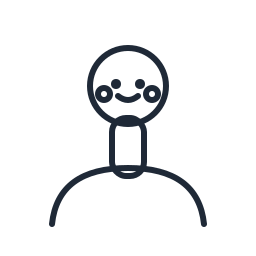

Translation
neck
Word origin
Formed from 脖 (bó, neck), which carries the flesh radical 月 (ròu, body), plus the common noun suffix 子 (zi).
- Origin
- compound
- Root
- 脖 (bó, neck, with 月 flesh radical) + 子 (zi, noun suffix)
Stroke order

脖

子
Examples
。
His neck is a bit sore.
,。
It is cold, wrap up your neck well.
颈鹿。
A giraffe's neck is very long.
项链。
She wore a necklace around her neck.
低。
Do not keep lowering your neck to look at your phone.
脖子 (bó zi) means neck, the everyday word for the body part. The 子 suffix is unstressed, taking a neutral tone.
Where this fits
Add to review queue
Track this word in your spaced-repetition queue and be tested on it at the right interval.
Go to my review queueMandarin · Free printables
脖子: worksheet, infographic and listicle
Free printable study downloads for the Mandarin word "脖子" (neck): a worksheet with the answer key built in, an infographic, and a sentence listicle. Open any one to view, print or save.
Free for members
The printable worksheets, infographics and PDFs are free with an account. Start a free week and download as many as you like.
Start your free weekThis word is part of lesson 39.