
(bǐ) - compared to, than in Mandarin
bǐTraditional: 比

Translation
compared to, than
Word origin
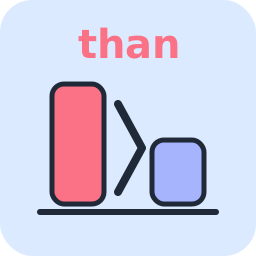
比 is a pictograph showing two people standing side by side facing the same direction, conveying the idea of comparing one with another. It means to compare or, as a grammatical word, 'than'.
- Origin
- pictograph
- Root
- two figures side by side
Stroke order

比
Examples
。
He is taller than me.
。
Today is colder than yesterday.
。
This one is better than that one.
。
My older brother is taller than me.
。
This year is hotter than last year.
比 (bǐ) means compared to, than. It is used as a preposition in everyday Mandarin speech.
Where this fits
Appears in 5 words
Multi-character compounds in the corpus that contain 比.
Used in
Stories
(1)Grammar articles
(10)Mandarin Adjectives as Stative Verbs: Why 'I Am Cold' Is 我冷, Not 我是冷
Mandarin Advanced Grammar (C1-C2 / HSK 6+): Chengyu, Classical Remnants, and Register
Approximation and Rounding in Mandarin: 左右, 大概, 差不多, 几 and 来 for About, Around and Roughly
Mandarin Grammar Cheatsheet: The Essentials, One Page
Mandarin Comparatives: 比, 比较, 最, 跟…一样 and How to Say 'More', 'Most', 'Same As'
Mandarin Conditionals: 如果, 要是, 的话 and the 就 That Finishes the Sentence
Asking How + Adjective in Mandarin with 多: 多高, 多远, 多长, 多大
又 (yòu) vs 再 (zài) vs 还 (hái) in Mandarin: The Three Ways to Say 'Again'
The Mandarin 于 (yú) Family: 对于, 关于, 由于, 至于, 属于, 位于, 终于
The Mandarin 者 (zhě) Suffix: 作者, 读者, 前者, and Naming the One Who Does It
Add to review queue
Track this word in your spaced-repetition queue and be tested on it at the right interval.
Go to my review queueMandarin · Free printables
比: worksheet, infographic and listicle
Free printable study downloads for the Mandarin word "比" (compared to, than): a worksheet with the answer key built in, an infographic, and a sentence listicle. Open any one to view, print or save.
Free for members
The printable worksheets, infographics and PDFs are free with an account. Start a free week and download as many as you like.
Start your free weekThis word is part of lesson 5.