
(kào) - to lean on, to rely on, to depend on; near in Mandarin
kàoTraditional: 靠
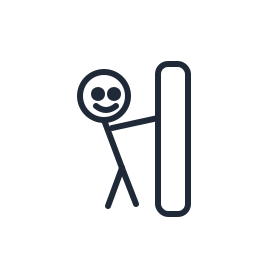

Translation
to lean on, to rely on, to depend on; near
Word origin
靠 means to lean on, rely on or be near. It is a phono-semantic compound with the 非 element and the phonetic 告 (gào).
- Origin
- phono-semantic compound
- Root
- 告 (gào, phonetic) + 非
Stroke order

靠
Examples
墙。
He leaned against the wall to rest.
。
We need to rely on our own strength to solve the problem.
?
Can you be relied on?
。
Success depends on your own effort.
椅墙。
Please put the chair against the wall.
靠 (kào) means to lean on, rely on, or depend on. Physically it describes something resting against a surface (靠墙, lean against a wall). Figuratively it means to rely on or depend on (靠朋友, rely on friends; 靠运气, rely on luck). 靠不住 (cannot be relied upon) and 靠得住 (reliable) are common expressions. 靠近 (kào jìn) means near or to approach. In casual speech 靠 can also function as a mild exclamation of frustration.
Where this fits
Appears in 1 word
Multi-character compounds in the corpus that contain 靠.
Add to review queue
Track this word in your spaced-repetition queue and be tested on it at the right interval.
Go to my review queueMandarin · Free printables
靠: worksheet, infographic and listicle
Free printable study downloads for the Mandarin word "靠" (to lean on, to rely on, to depend on; near): a worksheet with the answer key built in, an infographic, and a sentence listicle. Open any one to view, print or save.
Free for members
The printable worksheets, infographics and PDFs are free with an account. Start a free week and download as many as you like.
Start your free weekThis word is part of lesson 12.