
Spanish Numbers 0-100 and Beyond: How They Are Built
By Michael McGettrick and Sergio Linares-HernandesUpdated 11 October 2026
Spanish numbers are a short list and five rules. Learn to , the tens from to , and ; the rules build everything else. Ordinals, fractions and dates are on advanced Spanish numbers, and the clock on telling the time. Numbers are on the AQA GCSE Spanish vocabulary list at Foundation tier.
Quick check
Three quick questions on what you have just read. The full practice is further down.
Pick the right one
0/3Uno bends to the noun: un before a masculine noun, una before a feminine one, uno when no noun follows.
Tengo casa.
Es año muy bueno.
vez
The whole system on one screen
| Range | How it is built | Example |
|---|---|---|
| 0 to 15 | a word of its own | |
| 16 to 19 | ten + unit, one word | |
| 20 to 29 | veinti + unit, one word | veintidós (22) |
| 30 to 99 | ten + y + unit | (32) |
| 100 to 199 | , or + more | (101) |
| 200 to 900 | unit + -, agrees | doscientas (200, f.) |
| 1,000 up | , then | (2,000) |
Blue is the ten, orange the unit, and the highlighter marks the joining piece.
The words you learn by heart: cero to quince
| 0 to 3 | 4 to 7 | 8 to 11 | 12 to 15 |
|---|---|---|---|
0 | 4 | 8 | 12 |
1 | 5 | 9 | 13 |
2 | 6 | 10 | 14 |
3 | 7 | 11 | 15 |
 0
 1
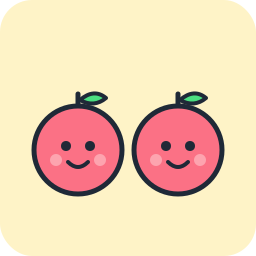 2
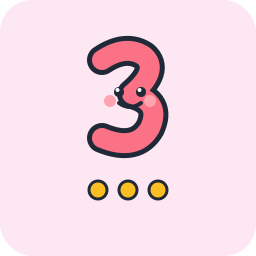 3
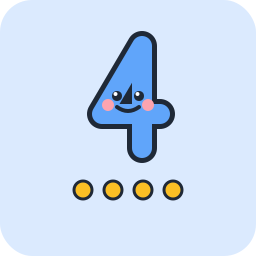 4
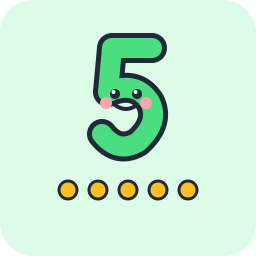 5
These sixteen have no logic worth knowing: learn them. (11) is the trap, because it looks like the English word.
.- I'm eleven..- That's twelve euros.
Sixteen to nineteen: ten and six, as one word
From sixteen, Spanish starts adding. Sixteen is ten and six, squeezed into one word:
| Number | Built from | Written |
|---|---|---|
| 16 | | |
| 17 | | |
| 18 | | |
| 19 | | |
The z of becomes c, and the y becomes i. takes an accent because the stress falls on the last syllable of a word ending in s:
.- My sister is sixteen.
Twenty to twenty-nine: one word again
fuses the same way, with its final e turning into i:
| 21 to 23 | 24 to 26 | 27 to 29 |
|---|---|---|
veintiuno | veinticuatro | veintisiete |
veintidós | | veintiocho |
veintitrés | veintiséis | veintinueve |
Three carry an accent, the ones ending in a stressed syllable with an s: veintidós, veintitrés and veintiséis. With , and veintiún (the short form before a masculine noun), that is the whole accent family.
veintidós .- I'm twenty-two.
Thirty to ninety-nine: the y rule
The tens are words to learn:
| 30 to 50 | 60 to 80 | 90 to 100 |
|---|---|---|
30 | 60 | 90 |
40 | 70 | 100 |
50 | 80 |
From thirty-one, the fusing stops. Every number is three words, the ten, then , then the unit:
.- It costs ninety-nine euros.
(60) keeps the s of ; (70) keeps the t of . That is the pair to say slowly until it is automatic.
The goes only between the tens and the units. It never joins hundreds:
Uno, un and una
is the only number below two hundred with a gender, and it is also the word for a or an:
| Use | Form | Example |
|---|---|---|
| masculine noun | | - one book |
| feminine noun | | - one house |
| no noun, counting | | , , |
The same rule runs inside every number ending in one:
veintiún- twenty-one yearsveintiuno.- I'm twenty-one. (no noun: the full form)
Before a feminine noun, veintiuna is the standard written form, though you will also hear veintiún there.
Cien and ciento
A hundred has two forms. Ask one question: does something smaller come after it?
| After it | Form | Example |
|---|---|---|
| nothing | | . I count to 100. |
| a noun | | - a hundred years |
| or | | - a hundred thousand |
| a smaller number | | - 101 |
| a smaller number | | - 120 |
One fixed phrase keeps alone: , per cent.
The hundreds agree, and three are irregular
From two hundred, the hundreds are single words ending in -cientos, and they agree with the noun:
| 200 to 400 | 500 to 700 | 800 to 900 |
|---|---|---|
200 | 500 | 800 ochocientos |
300 trescientos | 600 seiscientos | 900 |
400 cuatrocientos | 700 |
The three in bold are irregular: (not cincocientos), and .
Agreement is with the noun that follows, even with in between:
doscientas- two hundred housesquinientas- five hundred peopledoscientas- two hundred thousand houses
Mil, never miles
| Number | Spanish | Note |
|---|---|---|
| 1,000 | | no in front |
| 2,000 | | in a number, no s |
| 100,000 | | before |
| 1,000,000 | | a noun, so follows |
| 2,000,000 | | plural, no accent |
| 1,000,000,000 | | the English billion |
A year is read as one number:
.- I was born in 1990.veintiséis- 2026
exists, but it is a noun meaning thousands of, and it takes :
.- There are thousands of people.
Un millón de
is a noun, so it takes , has a plural and needs before a noun:
The goes when another number follows: (1,500,000 euros). A Spanish is a million million, the English trillion; the English billion is .
Commas and points
Spain and most of South America swap the English marks: a comma for the decimal point.
Mexico and most of Central America use the English system. The accepts either decimal mark, and recommends a space for thousands (10 000). Read the context, not the punctuation.
Pronunciation traps
In most of Spain, c before e or i and every z sound like the th in think. In Latin America, the Canary Islands and parts of Andalusia they are an s. Neither is more correct.
| Word | Spain | Latin America |
|---|---|---|
| THEH-ro | SEH-ro |
| THEEN-ko | SEEN-ko |
| dyeth | dyes |
| DOH-theh | DOH-seh |
| dyeh-thee-SAYS | dyeh-see-SAYS |
is one syllable, rhyming with "lace". is VAIN-teh, with a soft b sound for the v.
Numbers in daily life
| Context | Spanish | English |
|---|---|---|
| price | | €2.40 |
| phone number | , | 34 56, read in pairs |
| address | | number 47 |
| age | . | I'm thirty. |
In a price, stands where English puts the point. For the clock, see telling the time.
Common mistakes English speakers make
| Wrong | Right | Why |
|---|---|---|
| y | | y joins tens and units only |
| before a noun | |
| miles | | never goes plural |
| is a noun, so | |
doscientas | the hundreds agree | |
| shortens before a noun | |
| for 70 | | six gives the s, seven the t |
| for a billion | | is a million million |
What to do next
- Do the build and spot-the-mistake drills below.
- Read prices and door numbers aloud, with the noun:
- Next: telling the time.