
Ch 1 · Lesson 19Russian · Chapter 1 · Lesson 19 · Grammar primer
Ты or вы: the choice you make before you speak
for one person you know well, for a stranger, anyone older, or more than one. And takes the plural verb, even to one person.
The short version
Choose ty or vy before you speak
, ? (Vy znaete, gde metro?)
Why?Hide
Ty is you to one person you know well: a friend, a child, family. Vy is you to a stranger, anyone older or senior, or more than one person. Calling a stranger ty is rude in a way English has lost, so default to vy until someone suggests ty. And vy always takes the plural verb, even to one person.
Ты and вы: the choice you make before you speak
is for one person you are close to. is for more than one person, and also for any single person you should be polite to.
| Ты (friendly) | Вы (polite) |
|---|---|
| a friend | a stranger, a shop assistant |
| a child | a teacher, a doctor |
| your family | anyone older or senior |
| a pet | two or more people |
The verb changes with it. always takes the plural form, even when you are talking to one person:
?- Do you know? (to a friend)?- Do you know? (to a stranger, or to two friends)?- What's your name? (to a child)?- What's your name? (polite)
- ?
- ?
- ?
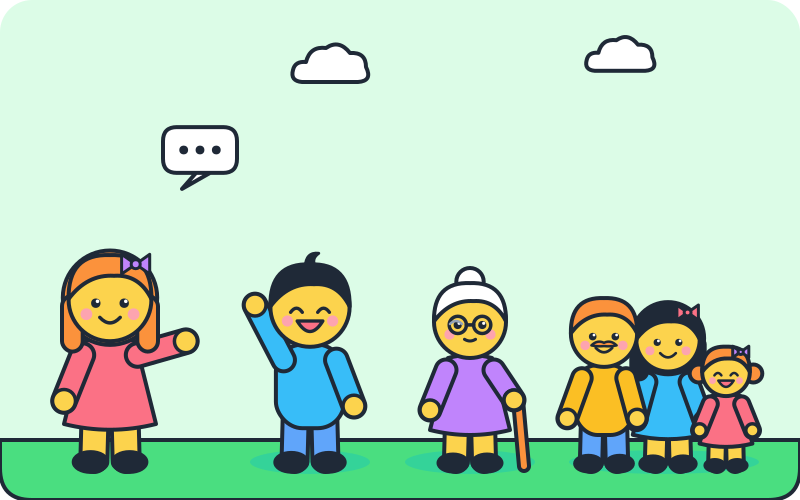
The woman on the left is asking. Her friend gets ты; the older stranger gets вы, and so does the group, with the same plural verb.
This is not optional politeness. Calling a stranger in Russian is rude in a way English has no equivalent for, since English lost its thou centuries ago. Default to until someone invites you to switch:
.- Let's sayto each other.
Going further: The eight pronouns and the rest of the guide, when you want them. This lesson does not need them.
Practice
Practise this lesson
8-question session
One question at a time, mixed across the exercises in this lesson. Miss one and it comes back round before the end.
Russian · Free printables
Worksheets for this lesson
Worksheets with answer keys built in. Open any one to view, print or save.
Lesson 19 of 43 in this chapter