
Ch 20 · Lesson 18Esperanto · Chapter 20 · Lesson 18 · Grammar primer
Capital letters: Esperanto, franco, lundo
Names, places, festivals and Esperanto take a capital; peoples, adjectives, weekdays and titles do not. Months are the one disputed case.
The short version
Capitals go on the place, not on the people
, 5- , Francio
Why?Hide
Names, places, countries, festivals and organisations take a capital: Francio, Parizo, . Peoples, national adjectives, weekdays, titles and derivatives do not: , , , Zamenhof, . A language name built from a people-adjective is lower case, , while one that is a noun in -o takes a capital, which is why Esperanto does. Months are the one disputed case: the writes , and PMEG still recommends it, but many now write .
Esperanto takes a capital;
.
Why?Hide
The name of the language is a name, so it keeps its capital: . Words made from it are ordinary words and usually lose it: , an Esperantist. The one common exception is the adjective, , which some writers capitalise to keep it apart from , hoping.
Weekdays are lower case; months are disputed
, 5-a !
Why?Hide
, and the rest are ordinary nouns, so they take no capital: ! Months are the one disputed case. The writes and with capitals, and PMEG still recommends that; many writers now write and , like the weekdays. Both are understood: pick one and keep to it.
capitalises far less than English. Names, places, festivals and the language's own name take a capital; peoples, adjectives, weekdays and titles do not.
| Kind of word | Example | English |
|---|---|---|
| a s name | Zamenhof | Zamenhof |
| a country | Francio | |
| a festival | | Christmas |
| the language | | |
| a people | | a French person |
| an adjective | | French |
| a weekday | | Monday |
| a title | | Mr, sir |
PMEG says there are no binding rules for capitals. It describes a sparing style, which capitalises real names only, and a generous one; the sparing style is far more common, and it is the one taught here.
Capitals: names, places, festivals
A capital goes on a real name, and on the first word of a sentence:
| Kind | Examples |
|---|---|
| people's names | Zamenhof, Petro |
| places, countries | Parizo, Francio |
| festivals | |
-o language names | |
| organisations | - |
Parizo.- We celebrate Christmas in.
Lower case: peoples, adjectives, days
English capitalises all of these; Esperanto treats them as ordinary words:
| Kind | Esperanto | English |
|---|---|---|
| a people | | a French, English person |
| an adjective | | French, English |
| a language | | English |
| a weekday | | Monday, Sunday |
| a title | | Mr, Dr |
The split runs through one family: the place takes a capital, the people and the adjective do not.
Francio.- The French live in France.!- See you on Monday!Zamenhof.- I met Mr Zamenhof.
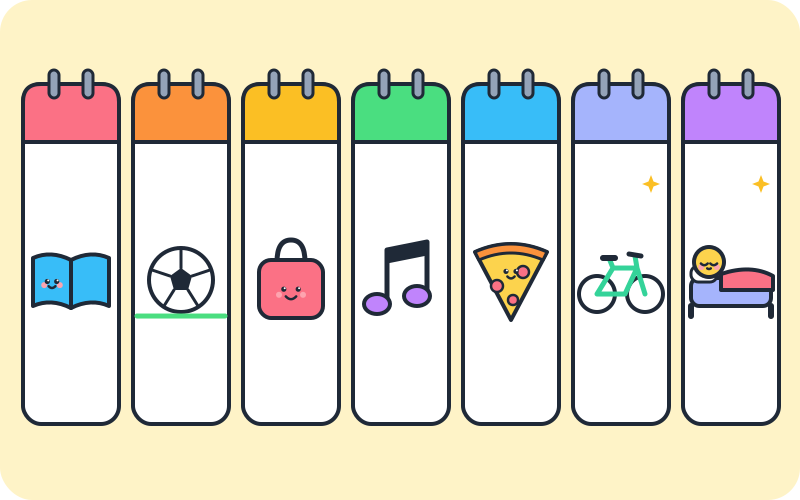
Lundo (Monday), mardo (Tuesday), merkredo (Wednesday), ĵaŭdo (Thursday), vendredo (Friday), sabato (Saturday), dimanĉo (Sunday): all lower case.
A capital on a people or a language name ( ) is also possible, but it is the generous style, and much less common.
Esperanto and esperantisto
The name of the language is a name, so it keeps its capital. Words made from it usually lose it:
| Word | English |
|---|---|
| |
| an |
| Esperantists |
.- I speak Esperanto..- She is an Esperantist.
The adjective is the exception many writers make: , the Esperanto movement. The capital keeps it apart from the present participle of esperi, to hope, which is spelt the same way: a real ambiguity and a good reason.
Going further: The months: both are met and the rest of the guide, when you want them. This lesson does not need them.
Practice
Practise this lesson
10-question session
One question at a time, mixed across the exercises in this lesson. Miss one and it comes back round before the end.
Esperanto · Free printables
Worksheets for this lesson
Worksheets with answer keys built in. Open any one to view, print or save.
Free for members
The printable worksheets, infographics and PDFs are free with an account. Start a free week and download as many as you like.
Start your free weekLesson 18 of 28 in this chapter