
Ch 17 · Lesson 17French · Chapter 17 · Lesson 17 · Grammar primer
Street French: slang and verlan
The everyday French your textbook skips - , , fric, - and who you can say it to.
The short version
Slang is informal, not rude
.
Why?Hide
, , fric and are not swear words: they are what French people say to friends instead of , , and . The line to watch is register. Keep them for people you call , and tell your landlord , not .
French slang is the register French people use with friends: everyday words like (guy), (mate) and (cash), plus verlan, which flips a word's syllables ( becomes ). None of it is rude. All of it belongs with the people you call .
The everyday slang words
The ten you will hear first, beside the textbook word they replace.
| Slang | Standard French | English |
|---|---|---|
| | a guy, a bloke |
| | a woman, a girl |
| | a mate |
| | cash, dosh |
| | the job, work |
| | a cop |
| | to eat, to scoff |
| | a car, a motor |
| | a thing, a whatsit |
kiffer | | to really like, be into |
In a sentence:
.- He's my boyfriend..- I'm skint., !- Right, back to work!?- Where are we eating tonight?- .- Pass me the thingy.
is the one to learn first: it is the noun you reach for the the real one will not come.
Informal, not rude: who to say it to
The question with slang is never "is it polite?" but "who am I talking to?". Here is one sentence moving from textbook to street:
- Je n’ai pas d’argent.anyone, anywhere
- J’ai pas d’argent.everyday speech
- J’ai pas de fric.friends only
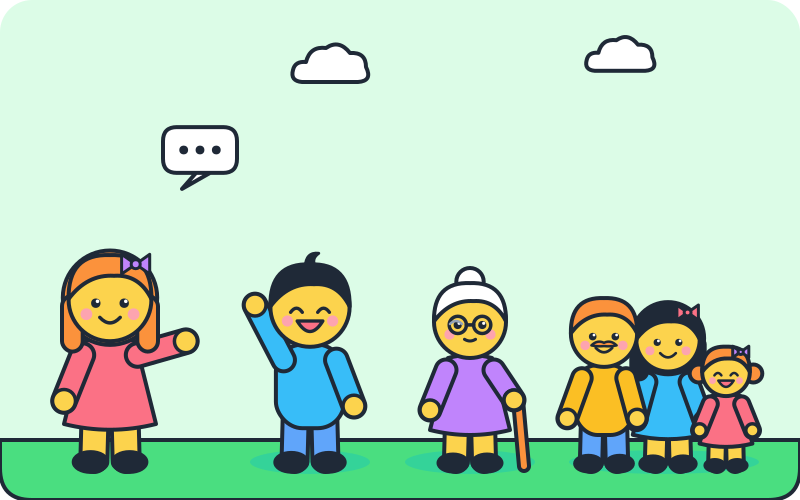
- , ?
- , .
The same speaker, two registers: Salut, ça va ? (Hi, how are things?) to a friend her own age; Bonjour, madame. (Good morning, madam.) to an older stranger. Slang belongs with the first.
Slang goes with . Mixing registers sounds stranger than either one alone:
, , ?- a formalwith a street word: odd., , ?-and polite.
Going further: Verlan: words said backwards and the rest of the guide, when you want them. This lesson does not need them.
Practice
Practise this lesson
9-question session
One question at a time, mixed across the exercises in this lesson. Miss one and it comes back round before the end.
French · Free printables
Worksheets for this lesson
Worksheets with answer keys built in. Open any one to view, print or save.
Free for members
The printable worksheets, infographics and PDFs are free with an account. Start a free week and download as many as you like.
Start your free weekLesson 17 of 30 in this chapter