
Ch 2 · Lesson 10Portuguese · Chapter 2 · Lesson 10 · Grammar primer
Days and months: segunda-feira, maio
Monday to Friday are numbered, not named, the twelve months look like English, and none of them takes a capital.
The short version
Portuguese weekdays are numbers, not gods
.
Why?Hide
is literally the second day, counting Sunday () as the first, and the pattern runs straight through to . Only and break from the numbering.
Portuguese numbers its weekdays instead of naming them after gods, writes days and months in lower case, and uses for both on and in: , . This page has the days, months, seasons and dates, and the time words that go with them.
The weekdays: numbered, not named
| Portuguese | Literally | English |
|---|---|---|
| Lord's day | Sunday |
| second day | Monday |
| third day | Tuesday |
| fourth day | Wednesday |
| fifth day | Thursday |
| sixth day | Friday |
| Sabbath | Saturday |
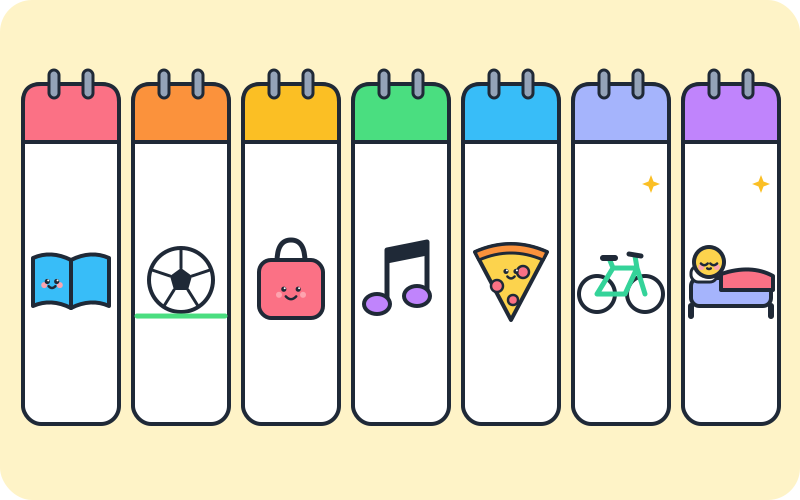
Monday to Sunday. The five working days are numbered; sábado and domingo keep their names.
The Church counted Sunday as day one, so Monday is the second. -feira is Church Latin feria, a feast day.
.- Today is Wednesday.!- See you on Monday! (speech drops-feiraonce the day is clear)
The weekend sits outside the numbering: , literally the end of the week. A public holiday is :
?- What are you doing at the weekend?.- Friday is a bank holiday.
The twelve months
| Portuguese | English | Portuguese | English |
|---|---|---|---|
| January | | July |
| February | | August |
| March | | September |
| April | | October |
| May | | November |
| June | | December |
.- My birthday is in March..- August is a hot month.
No capitals for days, months or seasons
.- Today is Monday..- My birthday is in January.
Named holidays keep their capital, as in English: , Christmas. One reading note: European texts from before the 1990 spelling agreement took effect capitalise months, so older books from .
Going further: Saying when: na segunda, em maio, no dia cinco and the rest of the guide, when you want them. This lesson does not need them.
Practice
Practise this lesson
9-question session
One question at a time, mixed across the exercises in this lesson. Miss one and it comes back round before the end.
New words in this lesson
 a segunda-feira(feminine)seˈɡũdɐ ˈfɐjɾɐMonday
- a terça-feira(feminine)ˈteʁsɐ ˈfejɾɐTuesday
- a quarta-feira(feminine)ˈkwaʁtɐ ˈfejɾɐWednesday
- a quinta-feira(feminine)ˈkĩtɐ ˈfejɾɐThursday
- a sexta-feira(feminine)ˈsestɐ ˈfejɾɐFriday
 o sábado(masculine)ˈsabaduSaturday
 o domingo(masculine)doˈmĩɡuSunday
 a semana(feminine)seˈmanɐweek
 o fim(masculine)fĩend
 o janeiro(masculine)ʒaˈnejɾuJanuary
 o fevereiro(masculine)feveˈɾejɾuFebruary
 o março(masculine)ˈmaʁsuMarch
 o abril(masculine)aˈbɾiwApril
 o maio(masculine)ˈmajuMay
 o junho(masculine)ˈʒuɲuJune
 o julho(masculine)ˈʒuʎuJuly
 o agosto(masculine)aˈɡɔstuAugust
 o setembro(masculine)seˈtẽbɾuSeptember
 o outubro(masculine)owˈtubɾuOctober
 o novembro(masculine)noˈvẽbɾuNovember
 o dezembro(masculine)deˈzẽbɾuDecember
 o mês(masculine)ˈmesmonth
 o ano(masculine)ˈɐnuyear
 o aniversário(masculine)aniveʁˈsaɾjubirthday; anniversary
 amanhãamaˈɲɐ̃tomorrow
 hojeˈoʒitoday
Portuguese · Free printables
Worksheets for this lesson
Worksheets with answer keys built in. Open any one to view, print or save.
Lesson 10 of 34 in this chapter