
Ch 37 · Lesson 10Spanish · Chapter 37 · Lesson 10 · Grammar primer
Ya no, todavía no and the strong no
(I don't any more) against (not yet), , , , and + subjunctive. Plus the mistakes.
The short version
Why?Hide
on its own means 'already'; put no right after it and it flips to 'no longer'. does not mean 'I already don't smoke' - it means the habit has stopped. Nothing extra follows the verb, unlike or .
Why?Hide
no says a change is expected but hasn't happened yet. no says the opposite change already happened. Mixing them up reverses your meaning entirely, so check which direction the change is going before you pick one.
Ya no and todavía no
no says something has stopped; no (or no) says it has not started yet. They are the negatives of (still) and (already):
| Meaning | Spanish | English |
|---|---|---|
| still | . | I still smoke. |
| stopped | . | I don't smoke any more. |
| already | . | He/She has already arrived. |
| not yet | . | He/She hasn't arrived yet. |
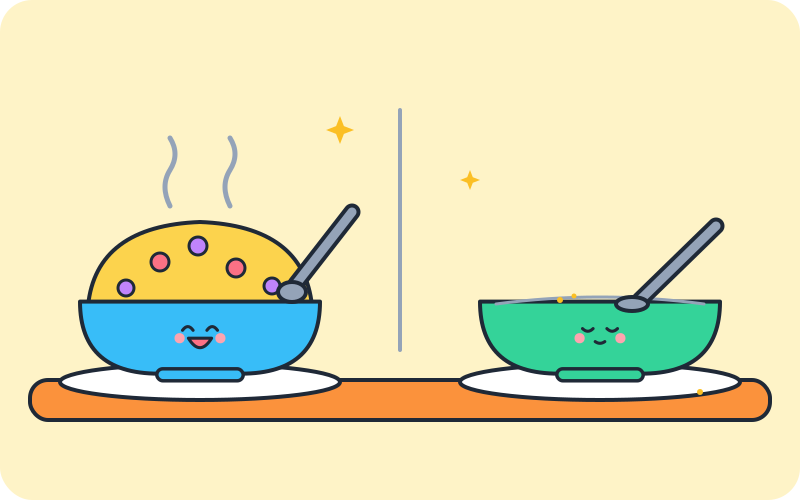
- .
- .
Todavía hay comida: there is still some food. Ya no hay comida: there is no food left any more.
no goes before the verb and any pronouns, and needs nothing after it:
.- He/She doesn't live here any more..- I don't want it any more.¿ ?- Aren't you coming any more?
Strong negatives: para nada, en absoluto, apenas
To turn a plain no into a flat refusal, add one of these after the verb ( goes in front instead, with no no):
| Phrase | Spanish | English |
|---|---|---|
. | I don't like it at all. | |
. | It doesn't bother me in the slightest. | |
. | I don't agree at all. | |
. | Never in my life have I seen anything like it. |
is ; is firmer and a little more formal. On its own, each can be a whole answer: ¿ ? - . - Does it bother you? Not at all.
(hardly) is the soft one. Before the verb it needs no no:
.- I hardly know him..- He/She hardly eats meat.
No es que + subjunctive
No brushes aside a wrong reason ("it's not that..."), and the verb after it goes into the subjunctive, because you are denying it:
, .- It's not that I don't want to, it's that I can't., .- It's not that it's expensive; I just don't need it.
Mistakes English speakers make
| Wrong | Right | Why |
|---|---|---|
| no | | replaces : |
| no | , | a verb follows: |
| yo no | | me neither is |
| Juan Pedro no | Juan Pedro | before the verb: no no |
| no me | | not even is , never |
| no | | if you quit: no ( no is not yet) |
| no no | | no takes the subjunctive |
Going further: Advanced negation at a glance and the rest of the guide, when you want them. This lesson does not need them.
Practice
Practise this lesson
10-question session
One question at a time, mixed across the exercises in this lesson. Miss one and it comes back round before the end.
Spanish · Free printables
Worksheets for this lesson
Worksheets with answer keys built in. Open any one to view, print or save.
Free for members
The printable worksheets, infographics and PDFs are free with an account. Start a free week and download as many as you like.
Start your free weekLesson 10 of 27 in this chapter