
Ch 5 · Lesson 8French · Chapter 5 · Lesson 8 · Grammar primer
Before or after the noun: BAGS and bel, nouvel, vieil
Most adjectives follow the noun; beauty, age, goodness and size go before it. And before a vowel, , and become , and .
The short version
Beauty, age, goodness and size go before the noun
Why?Hide
Most French adjectives follow the noun: . A short list goes in front, remembered as BAGS: and , , and , and , grand, , and long. So one phrase can hold one on each side: .
Bridge the vowel:
Why?Hide
, and grow a third masculine form before a vowel or silent h: , , . , but . It is the same instinct that gives you rather than , and skipping it is the fastest way to sound like you started last week.
Position: after the noun, BAGS before it
Most adjectives go after the noun. A short list of common ones goes before it, remembered as BAGS:
| Group | Adjectives | Example |
|---|---|---|
| Beauty | | |
| Age | | |
| Goodness | | |
| Size | | |
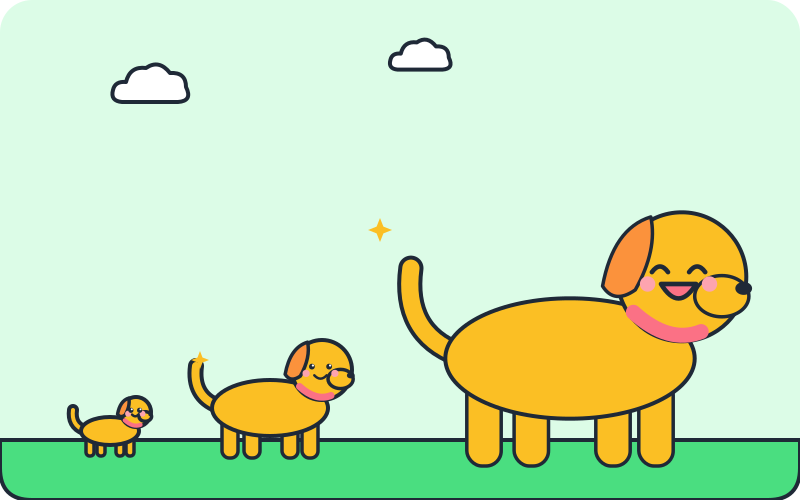
Size adjectives go before the noun: un petit chien, un grand chien.
In careful written French, becomes before a plural adjective placed ahead of the noun: (good friends). A few adjectives change meaning with position ( is a former pupil); they are on the adjective position page.
beau, bel, belle: the five-form adjectives
, and have a third masculine singular form, used only straight before a masculine singular noun that starts with a vowel or silent h. would jam two vowels together, so French says , the l running into the noun.
| Masc. sg. | Before a vowel | Fem. sg. | Masc. pl. |
|---|---|---|---|
| | | |
| | | |
| | | |
The feminine plurals are , , .
| Before a consonant | Before a vowel |
|---|---|
| |
| |
| |
, and sound exactly like the feminine , and ; only the spelling differs. The same trick turns into before a vowel: (this man), on the demonstratives page.
When the special form does NOT apply
All three conditions must hold: masculine, singular, and directly before a vowel sound. Everywhere else, the ordinary form:
| Case | Example | English |
|---|---|---|
| after | . | That man is handsome. |
| noun | | an old (female) friend |
| plural noun | | new friends |
| a word in between | | a fine big flat |
| aspirated h | | a handsome hero |
Which form? Worked through
| Phrase | Form | Why |
|---|---|---|
| ___ | | masc. sg., vowel next |
| ___ | | masc. sg., consonant next |
| Ma ___ | | , after |
| ___ | | plural never takes |
| ___ | | : vowel rule irrelevant |
| ___ | | after , the plain form |
Going further: The whole system on one screen and the rest of the guide, when you want them. This lesson does not need them.
Practice
Practise this lesson
10-question session
One question at a time, mixed across the exercises in this lesson. Miss one and it comes back round before the end.
French · Free printables
Worksheets for this lesson
Worksheets with answer keys built in. Open any one to view, print or save.
Free for members
The printable worksheets, infographics and PDFs are free with an account. Start a free week and download as many as you like.
Start your free weekLesson 8 of 32 in this chapter