
Ch 52 · Lesson 20Spanish · Chapter 52 · Lesson 20 · Grammar primer
Slang: tío and guay in Spain, chido in Mexico
Spain's , , currar and , the Mexican and Argentine words for the same ideas, the polite minced oaths and , and why none of it goes in an exam.
The short version
Cool is
¡ !
Why?Hide
Slang is local. Spain says , currar (to work), (money) and (mate); Mexico says chido, chambear, and compa; says copado, laburar, guita and . Understand them all, and use none of them in an exam.
Decode the slang, do not produce it
¿ ?
Why?Hide
Learn , , currar, , , q and xq so that a film or a group chat stops dissolving into noise. Keep saying , not pa', and writing , not q, until your ear can tell when the informal version fits. Slang carries region and age signals you cannot read yet, and getting it wrong sounds worse than the standard.
Spain slang and its Latin American cousins
Everything in the first table is Spain. A Mexican or an Argentine understands much of it from films and series, but says something else.
| Spain | English | Example |
|---|---|---|
| mate, guy; girl | ¿ , ? What's up, mate? |
| cool | ¡ ! How cool! |
| it's cool, I love it | . This song is great. |
currar | to work | Curro . I work Saturdays. |
flipar | to be amazed | ¡Flipo! I can't believe it! |
| to get, to catch | ¿ ? Do you get it? |
majo, maja | nice (a person) | maja. Your sister is really nice. |
pasta | money | pasta. I've got no money. |
| , . OK, see you. |
The same four ideas across the map:
| English | Spain | Mexico | Argentina |
|---|---|---|---|
| cool | | chido, ¡ padre! | copado |
| to work | currar | chambear | laburar |
| money | pasta | lana | guita, |
| mate | | compa | |
Who gets ? Only friends. The same woman greets three people three ways:
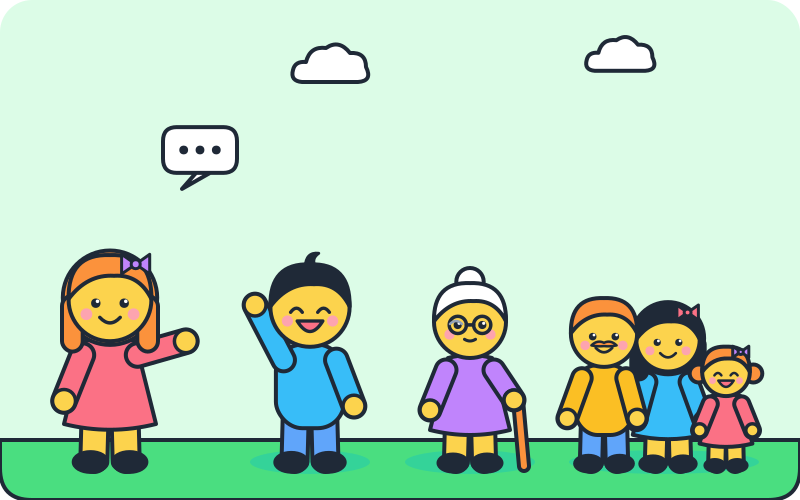
- ¿ , ?
- , .
- .
To her friend: ¿Qué pasa, tío? (What's up, mate?). To the older woman: Buenos días, señora (Good morning, madam). To the family: Hola a todos (Hi, everyone). Tío is for friends only.
Minced oaths: jo and jolín
Spain swears cheerfully, and you do not need any of it. You do need the polite stand-ins, which dodge a stronger word the way English says "sugar" or "flip":
| Minced oath | Roughly | Where |
|---|---|---|
jolín | oh no, gosh | Spain |
| blimey, wow | Spain |
| good heavens | everywhere |
¡, !- Oh no, what bad luck!¡, !- Blimey, look how late it is!
Mistakes English speakers make
| Wrong | Right | Why |
|---|---|---|
| pa' (exam) | | pa' is speech only |
| xq (exam) | | xq is chat spelling |
| (to a teacher) | , . | is for friends |
| curra (exam) | | currar is slang |
| (exam) | | is slang |
Going further: Informal Spanish at a glance and the rest of the guide, when you want them. This lesson does not need them.
Practice
Practise this lesson
10-question session
One question at a time, mixed across the exercises in this lesson. Miss one and it comes back round before the end.
Spanish · Free printables
Worksheets for this lesson
Worksheets with answer keys built in. Open any one to view, print or save.
Free for members
The printable worksheets, infographics and PDFs are free with an account. Start a free week and download as many as you like.
Start your free weekLesson 20 of 33 in this chapter