
Ch 1 · Lesson 31Portuguese · Chapter 1 · Lesson 31 · Grammar primer
Cem or cento, dois or duas
A hundred is on its own and the moment more follows. And one and two agree with their noun: , , .
The short version
.
Why?Hide
is exactly a hundred, on its own or straight before a noun: . The moment another number follows with e, it becomes : , . So a hundred people is , never .
Cem and cento
is exactly a hundred, on its own or straight before a noun:
.- She is a hundred.
The moment another number follows with , it becomes :
| No. | Portuguese | English |
|---|---|---|
| 100 | | a hundred |
| 101 | | a hundred and one |
| 120 | | a hundred and twenty |
| 199 | | a hundred and ninety-nine |
also lives on in per cent: , ten per cent; , a hundred per cent.
Where numbers agree with gender
and have feminine forms, used with feminine nouns. Every other number up to a hundred stays the same.
| No. | Masculine | Feminine |
|---|---|---|
| 1 | (one car) | (one house) |
| 2 | (two cars) | (two houses) |
| 3 | | |
The agreement carries on inside bigger numbers, because the last part is still counting the noun:
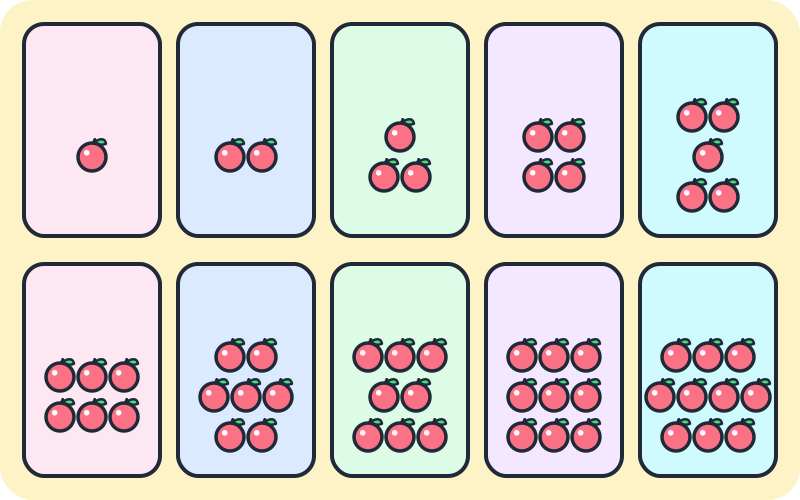
Maçã is feminine, so one apple is uma maçã and two are duas maçãs; from três on, the number never changes.
The hundreds from 200 to 900 agree too: , two hundred , against , two hundred people. Big numbers has the whole set.
Going further: The whole system on one screen and the rest of the guide, when you want them. This lesson does not need them.
Practice
Practise this lesson
10-question session
One question at a time, mixed across the exercises in this lesson. Miss one and it comes back round before the end.
Portuguese · Free printables
Worksheets for this lesson
Worksheets with answer keys built in. Open any one to view, print or save.
Lesson 31 of 40 in this chapter