英文混合條件句:If I had... I would be... 用法與例句

更新於 2026年11月19日閱讀英文完整版文章

混合條件句把 子句和結果放在不同的時間。最常見的是:if 子句說過去,結果在現在。

過去:had done / would have done現在:did / would do這些顏色是什麼意思?
組合例子
過去的 , .
現在的 , .

這裡沒有任何新東西。你只是從一種條件句拿 if 子句,從另一種條件句拿結果。台灣的課本常把第二類和第三類條件句叫做「與現在事實相反」和「與過去事實相反」的假設語氣,混合條件句就是兩種各取一半,所以也叫「混合假設語氣」。如果你還不熟第二類和第三類條件句,請先看條件句。完整英文說明請看英文版 Mixed conditionals。

過去的 if,現在的結果

過去:had done現在:would do這些顏色是什麼意思?

過去發生了(或沒發生)某件事,到現在還感受得到結果:

  • If I had taken that job (years ago)

  • I would be rich (now)

Timeline from past to now, with now marked.

+ done,would + 原形動詞。

  • , .
  • , .
  • , .
  • , .
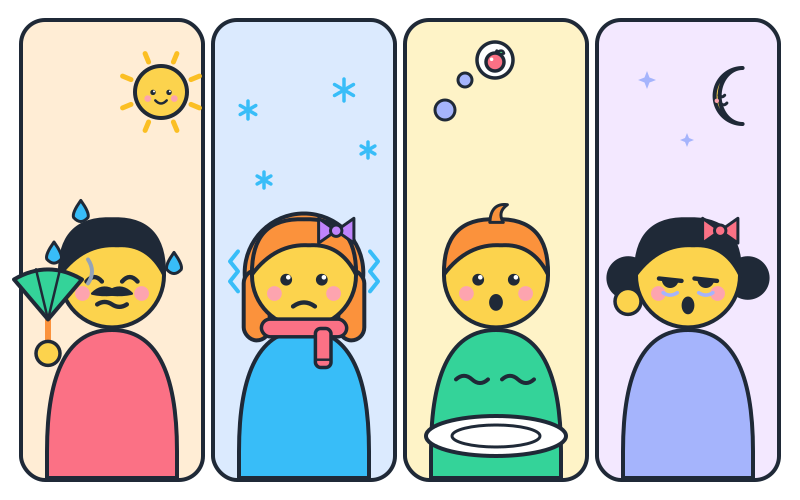
Four people: a man with a moustache, sweating under a hot sun, fans himself (hot); a woman in a scarf shivers as snow falls (cold); a boy with an empty plate stares open-mouthed, his tummy rumbling and an apple in his thought bubble (hungry); a girl with pigtails yawns under the moon (sleepy).
  1. , .
  2. , .
  3. , .

圍圍巾的女人現在覺得冷:她沒有穿外套。男孩現在餓了:他沒有吃午餐。女孩現在很累:她沒有早點睡。

結果裡出現 now、today、still、any more 這類字,就是在提醒你要用 would + 原形動詞,而不是 would have done。

現在的 if,過去的結果

過去:would have done現在:did / were這些顏色是什麼意思?

這一種剛好相反。if 子句現在仍然成立:說的是這個人的特質,不是某一天的事。結果則是過去的某一件事。

+ 過去式(或 were),would

  • , .
  • , .
  • , .
  • , .

比較下面兩句。兩句都對,但意思不同:

  • , .(我總是很累。這就是我。)
  • , .(那天晚上我很累。)

在 if 後面,嚴謹的英文對每個人稱都說 were:if I were、if she were。口語中 If I was 很常見,說話時沒有問題。

該用哪一種?問兩個問題

過去:had done / would have done現在:did / would do這些顏色是什麼意思?

不需要背表格。對兩個半句各問一個問題:if 子句到現在還成立嗎?結果是現在,還是過去?

半句現在過去
子句
結果

兩個半句是各自選的。整個概念就是這樣。

if 子句也可以放在後面。動詞形式不變,通常不加逗號::m{w="I would be:b rich now if I had taken:a that job."}

wish 的用法類似::m{w="I wish I had taken:a that job."} 請看 wish 和 if only。

台灣學習者最常犯的錯

中文表達這種句子很簡單:「如果我當初接了那份工作,我現在就很有錢了。」動詞完全不變,只靠「當初」和「現在」分辨時間。英文則要在動詞形式上標出每個半句的時間,所以台灣學生常把兩個半句用成同一種時態,或是在 if 子句裡亂加 would。

錯誤正確原因
I won't be hungry.I wouldn't be hungry.If I had eaten 之後:用 would。
If I would knowIf I knewif 子句裡沒有 would。
If he would be hereIf he were hereif 子句裡沒有 would。

最後兩個錯誤特別常見,因為很多人把 would 當成「假設」的記號,兩個半句都加。記住:would 只出現在結果半句。

接下來做什麼

  1. 想一個你幾年前做的選擇,完成這句:If I had..., I would... now.
  2. 再想一個你一直以來的特質:If I weren't..., I would have...
  3. 做下面的練習。

想把英文從頭學到尾,請從英文課程開始。

練習

題目用英文出,也就是你正在學的語言。

Pick the right one

0/5

結果是在現在,還是過去?請點選合適的形式。

  1. If I had taken that job, I in the city now.

  2. If she had studied medicine, she a doctor today.

  3. If I weren't so tired, I with you last night.

  4. If he had saved his money, he a car now.

  5. If I spoke the language, I that job last year.

Sort into groups

0/6

結果是在現在,還是過去?請分類。

Tap a word, then the group it belongs in.

Spot the mistake

0/3

每個句子都有一個錯誤,請點出來。

Put the words in order

0/1

請點選單字組成句子。

  1. Years ago you said no to a job. Now you are not rich.

    Your sentence is empty.

Complete the story

0/3

請點選合適的字填入每個空格。

Lost in the rain

We're lost, and it's raining. If you the map this morning, we wouldn't be lost now. And if I so bad with maps, I would have brought one myself. If we had left earlier, we home by now.

Gap 1 of 3

常見問題

Frequently asked

什麼是混合條件句?

混合條件句是兩個半句時間不同的條件句。最常見的一種是 if 子句說過去、結果在現在:If I had taken that job, I would be living in the city now。另一種是 if 子句現在仍然成立、結果發生在過去:If I weren't so tired, I would have gone with you last night。

第三類條件句和混合條件句有什麼不同?

第三類條件句兩個半句都在過去:If I had studied, I would have passed。混合條件句把結果拉到現在:If I had studied, I would have a better job now。只要問自己:結果是在那時,還是現在?

if 子句可以放在後面嗎?

可以,動詞形式不變:I would be rich now if I had taken that job。if 子句放前面要加逗號,放後面通常不加。

If I hadn't lost my keys, I wouldn't be standing outside 正確嗎?

正確。弄丟鑰匙已經結束,所以 if 子句用 had lost。站在外面是現在正在發生的事,所以結果用 would + 原形動詞。這是最常見的混合條件句。

可以說 If I would have known 嗎?

標準英文不行。would 只放在結果子句,不放在 if 子句:If I had known, I would have come。美式口語有時會聽到 if I would have,但寫作時不要用。

更多英文文法