現在完成進行式:have been + V-ing 用法與例句

更新於 2026年11月19日閱讀英文完整版文章

現在完成進行式是 have 或 has + been + -ing 形式。它用來說從過去開始、 現在還在進行,或是剛剛才結束的動作。

想看完整的英文版說明,請見 Present perfect continuous in English: have been + -ing。

have been 或 has been過去分詞(動詞三態的第三個)-ing 形式這些顏色是什麼意思?
用法例句
還在進行 .
剛剛結束 .(眼睛紅紅的)
一再發生 .
有數量:用簡單式 .
  • I’ve been waiting since eight: it started then and is still going

  • now

Timeline from eight o’clock to now, with now marked.

它在過去的對應時態是過去完成進行式:I had been waiting since eight.

現在完成進行式怎麼造句

have been 或 has been-ing 形式這些顏色是什麼意思?

只有 have 會變。been 和 -ing 形式不變:

主詞例句
, , , .
, , .
縮寫 .
否定 .
疑問句 ?

簡答不重複其餘部分:Yes, I have. No, she hasn't.

-ing 的拼法和現在進行式一樣: write, writing;run, running。

還在進行,或剛剛結束

have been 或 has been-ing 形式這些顏色是什麼意思?

1. 還在進行。 從過去開始,現在還沒停。常和 for、since 或 how long 一起出現:

  • ?
  • .
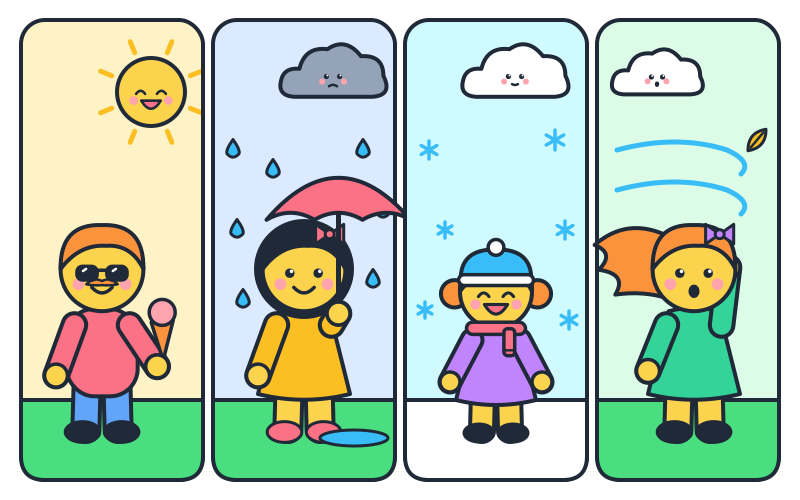
Four panels: a man with a moustache in sunglasses holds an ice cream under a grinning sun (sunny); a woman with a bob and a bow stands under a red umbrella in the rain by a puddle (rainy); a girl with pigtails wears a woolly hat and a scarf in the snow (snowy); a woman holds her head as the wind blows her long hair sideways and leaves fly past (windy).
  1. raining .
  2. snowing .

雨和雪是更早之前開始下的,現在還在下。It's been raining all day. It's been snowing since morning.

2. 剛剛結束,看得到結果。 動作現在已經結束,但痕跡還在:

  • .(你的眼睛是紅的。)
  • .(廚房聞起來好香。)
  • .(我又熱又喘。)

3. 一再發生,一直到現在。 每一次都結束了,但這個習慣還在繼續:

  • .

have done 還是 have been doing?

have、has 或 have been過去分詞(動詞三態的第三個)-ing 形式這些顏色是什麼意思?

常常兩個都可以。 搭配 live、work 和 for 或 since 時,兩種說的是同一件事:

  • .
  • .

有數量時,要用簡單式。 因為你在數已經完成的事:

形式例句
多少 .
在做什麼 .
多少 .
在做什麼 .

做完的事用簡單式,持續的活動用進行式:

  • .(已經漆好了。)
  • .(也許還沒漆完,所以我手上有油漆。)

know、like、own:不用 -ing

have 或 has過去分詞(動詞三態的第三個)這些顏色是什麼意思?

有些動詞表示的是狀態,不是動作,在這裡不能加 -ing:

狀態動詞例句
, .
, , .
, , owned 2015.

兩點補充:

  • want 兩種都可以::m{w="I've:a wanted:b a dog for years."} 和 I've been wanting to tell you 都很自然。
  • think 表示「在腦中反覆想」時用 -ing:I've been thinking about it. 表示「認為」時則不用:I've always thought he was right.

台灣學習者最常犯的錯

中文沒有 have been 這種結構,常用「一直」「已經…了」帶出持續的感覺,動詞形式不變。所以學習者常漏掉 have 或 been,或是把狀態動詞也硬加上 -ing。

錯誤正確原因
I have working.I've been working.要有 + + -ing。
she have beenshe has beenshe、he、it:用
been knowingknown 是狀態動詞。
been reading 3 booksread 3 books有數量:用簡單式。
been ill last weekwas ill last week 已經結束:用過去式。

「我認識她很多年了」直接翻成 I have been knowing her for years 是台灣學生很常見的錯誤,記得 know 不用進行式。

接下來

  1. 把這句寫完:I've been learning English for...
  2. 再寫這句(帶數量):Today I've already...
  3. 做下面的練習題。
  4. 想有系統地學英文,請看英文課程。

練習

題目用英文出,也就是你正在學的語言。

Pick the right one

0/5

看括號裡的提示,再點出適合的形式。

  1. I'm out of breath. I . (It has just stopped.)

  2. She three books this month.

  3. I her since we were at school.

  4. We four cups of tea today.

  5. Their hands are dirty. They in the garden. (They have just stopped. That's why.)

Build the word

0/4

組出 -ing 形式。

  1. run + -ing

    Accents optional

    Your word is empty.

  2. write + -ing

    Accents optional

    Your word is empty.

  3. sit + -ing

    Accents optional

    Your word is empty.

  4. study + -ing

    Accents optional

    Your word is empty.

Sort into groups

0/8

這個動詞可以用 have been + -ing 嗎?

Tap a word, then the group it belongs in.

Spot the mistake

0/3

每個句子有一個錯誤,請點出來。

Complete the story

0/3

點選適合每個空格的字。

Tom comes home

Tom comes in. His face is red and hot. I in the park, he says. I round the park three times! Ana laughs. I you for ten years, and you never run!

Gap 1 of 3

常見問題

Frequently asked

什麼是現在完成進行式?

結構是 have 或 has + been + 動詞的 -ing 形式:I have been working, she has been waiting。它用來說從過去開始、現在還在進行的動作,或是剛剛才結束的動作。

I have worked here for five years 和 I have been working here for five years 有什麼不同?

差別很小,兩句都對,說的是同一件事。進行式稍微強調「這段期間一直在做」,簡單式聽起來比較穩定、像是陳述事實。真正的差別出現在有數量,或是談已完成的結果時。

什麼時候一定要用現在完成式,不能用進行式?

說出數量時:I have written three emails,不能說 I have been writing three emails。另外,表示狀態的動詞如 know、own、belong 也不用進行式:I have known her for years.

How long have you been waiting 和 How long have you waited 哪個才對?

兩個都對。問一個持續的動作,最常見的是 How long have you been waiting?。狀態動詞則用簡單式:How long have you known him?

為什麼 You've been crying 不需要時間詞?

因為這句話是在解釋你現在看到的情況。動作剛結束,結果就在眼前:紅紅的眼睛、發燙的臉、濕濕的馬路。

更多英文文法